Monday, 13 November 2017

Coastal Day observed in Barisal calling for climate justice


The first Coastal Day was observed on Sunday in coastal districts including Barisal city calling for climate justice. 


Bangladesh Model Youth Parliament and YouthNet for Climate Justice jointly organized a human chain in front of Barisal Awshini Kumar Hall on this occasion for the first time aiming to protect country's coastal area and to develop the lifestyle of the people living there.

Sohanur Rahman, chief coordinator of YouthNet for Climate Justice, Akkas Hossain, district president of Citizens for Good Governance (SUJAN), Nazrul Islam Chunnu, Kajal Gosh, cultural activists, Sushanta Gosh, journalist, Khaleda Wahab, women leader, Ranjit Dutta development activist, Meher Afroj Mita, regional coordinator of The Hunger Project Bangladesh, Feroz Mostofa, Chairperson, Bangladesh Model Youth Parliament participated and addressed  the programme.

The day was observed at 34 places in 32 upazilas of 15 coastal districts with various programmes marking a cyclonic storm that ravaged the southern coasts of the then East Pakistan in 1970.

The disaster claimed hundreds of thousands of lives and countless cattle herds.

Responding to the call of Coastal Day Implementation Committee, about 100 organizations took part in different programmes.
 

Thursday, 2 November 2017

বরগুনায় জলবায়ু পরিবর্তনের প্রভাব মেকাবেলায় বরগুনায় যুব বিতর্ক উৎসব ও শোভাযাত্রা


জলবায়ু পরিবর্তনজনিত প্রভাব মোকাবেলায় বরগুনায় যুব বিতর্ক উৎসব পালিত হয়েছে। এ উপলক্ষে বৃহস্পতিবার বেলা সাড়ে ১১টায় জেলা প্রশাসকের কার্যালয়ের সামনে থেকের্ যালি বের হয়ে শহরের প্রধান প্রধান সড়ক প্রদক্ষিণ শেষে জেলা শিল্পকলা একাডেমির সামনে শেষ হয়। শিল্পকলা মিলনায়তনে যুব বিতর্ক উৎসবের উদ্বোধন করেন বরিশাল বিভাগীয় কমিশনার মো. শহিদুজ্জামান। এ সময় উপস্থিত ছিলেন বরগুনা জেলা প্রশাসক মো. মোখলেছুর রহমান, বরগুনা সরকারি কলেজের অধ্যক্ষ আবুল কালাম আজাদ, সহকারী পুলিশ সুপার আ. ওয়ারেস, ইউনিসেফের বরিশাল বিভাগীয় প্রধান এএইচ তৌফিক আহম্মেদ, ইয়ূথনেট ফর ক্লাইমেট জাস্টিসের সমন্নয়ক সোহানুর রহমান
বরগুনায় যুব বিতর্ক উৎসব এর ছবি ফলাফল

যুব বিতর্ক প্রতিযোগিতার শুভ উদ্বোধন করেন, প্রধান অতিথি বরিশাল বিভাগীয় কমিশনার মোঃ শহিদুজ্জামান। বিশেষ অতিথির বক্তব্য রাখেন, পুলিশ সুপারের প্রতিনিধি আমতলী সদর সিনিয়র সহকারি পুলিশ সুপার আঃ ওয়ারেস, বরগুনা সরকারি কলেজের অধ্যক্ষ প্রফেসর আবুল কালাম আজাদ, বরিশাল ইউনিসেফ’র প্রধান এ এইচ তৌফিক আহমেদ, জেলা মুকক্তিযোদ্ধা কমান্ডার আলহাজ্ব আঃ রশিদ মিয়া,প্রেসক্লাব সভাপতি জাকির হোসেন মিরাজ প্রমূখ। বরগুনা ডিবেটিং ক্লাব ও জলবায়ু পরিবর্তনের প্রভাবের উপরে দুটি ভিডিও ডকুমেন্টরি উপস্থাপন করা হয়। 

এর পরপরই দুপুর দেড়টার দিকে যুব বিতর্ক প্রতিযোগিতা শুরু হয়। দুপুর সাড়ে ৩ টার দিকে সাংগঠনিক অধিবেশন ও সর্বশেষ বিকাল ৪ টায় বিজয়ীদের মাঝে ক্রেস্ট ও সনদ বিতরণের মধ্য দিয়ে অনুষ্ঠানের সমাপ্ত ঘোষণা করেন, অনুষ্ঠানের প্রধান উদ্যোক্তা ও যুব বিতর্ক উৎসবের আহ্বায়ক অতিরিক্ত জেলা প্রশাসক (শিক্ষা ও আইসিটি) মোঃ নুরুজ্জামান। যুব বিতর্ক প্রতিযোগিতায় “সোসিয়াল মিডিয়া ইজ হার্মফুল ফর ইস্টুডেন্টস” এই বিষয়ের উপরে স্কুল পর্যায়ে অংশগ্রহন করে বিপক্ষ দল বরগুনা সদর উপজেলা চ্যাম্পিয়ন হয় এবং আমতলী উপজেলা রানার আপ হয়।

স্কুল পর্যায়ে নির্ধারিত বিষয়ের উপরে শ্রেষ্ঠ বক্তা হিসেবে বরগুনা সদর উপজেলার জিলা স্কুলের ছাত্র অসিত জাওয়াদ ইসমাম নির্বাচিত হয়। “চাকরির চেয়ে ব্যবসা ভাল” এই বিষয়ের উপরে কলেজ পর্যায়ে অংশগ্রহন করে বরগুনা সদর উপজেলা চ্যাম্পিয়ন হয় এবং পাথরঘাটা উপজেলা রানার আপ হয়। কলেজ পর্যায়ে নির্ধারিত বিষয়ের উপরে শ্রেষ্ঠ বক্তা হিসেবে বরগুনা সদর উপজেলার পলিটেকনিক ইনস্টিটিউটের ছাত্রী রিয়া মনি নির্বাচিত হয়। “টাকা হলেই উন্নয়ন সম্ভব” এই বিষয়ের উপরে জনপ্রতিনিধি ও সাংবাদিকদের মধ্যে সাংবাদিক দল চ্যাম্পিয়ন ও জনপ্রতিনিধি দল রানার আপ অর্জণ করে। পক্ষে বিপক্ষে বিতার্কিকরা তাদের যুক্তি তর্ক উপস্থাপনের মধ্য দিয়ে যুব বিতর্ক প্রতিযোগিতাটি মনমুগ্ধকর করে গড়ে তোলে।

মূল ধারার বিতার্কীকদের বিতর্ক শেষে বরগুনা ডিবেটিং কাউন্সিলের সদস্যদের নিয়ে পুরুষের চেয়ে নারীদের ধৈর্য বেশি এই বিষয়ের উপরে একটি উপস্থিত রম্য বিতর্ক প্রতিযোগিতা অনুষ্ঠিত হয়। যুব বিতর্ক প্রতিযোগিতায় বিভিন্ন সরকারি-বেসরকারি দপ্তরের কর্মকর্তা,শিক্ষক প্রতিনিধিগন উপস্থিত ছিলেন। যুব বিতর্ক উৎসবের আহ্বায়কের দায়িত্বে ছিলেন, অতিরিক্ত জেলা প্রশাসক (শিক্ষা ও আইসিটি) মোঃ নুরুজ্জামান ও সদস্য সচিবের দায়িত্বে ছিলেন, বরগুনা ডিবেটিং কাউন্সিল’র কো-অর্ডিনেটর মোঃ তারিক বিন আনসারী সুমন।

বিতর্কানুষ্ঠানের সার্বিক সহযোগিতায় ছিলেন, বরগুনা ইয়্যূথ ফোরামের স্বেচ্ছাসেবক, টিআইবির ইয়েস সদস্য,রেডক্রিসেন্ট,রোভার স্কাউট,বিএনসিসিসহ বিভিন্ন শিক্ষা প্রতিষ্ঠানের শিক্ষার্থীরা ও অন্যান্য সংগঠনের সদস্যরা। প্রধান অতিথি বলেন, এই বিতর্কানুষ্ঠানের মধ্য দিয়ে বরগুনার যুব সমাজ আরো এক ধাপ এগিয়ে গেল।
 

Friday, 6 October 2017

Upholding women and girls’ dignity: Special Kit distributed among the Rohingya


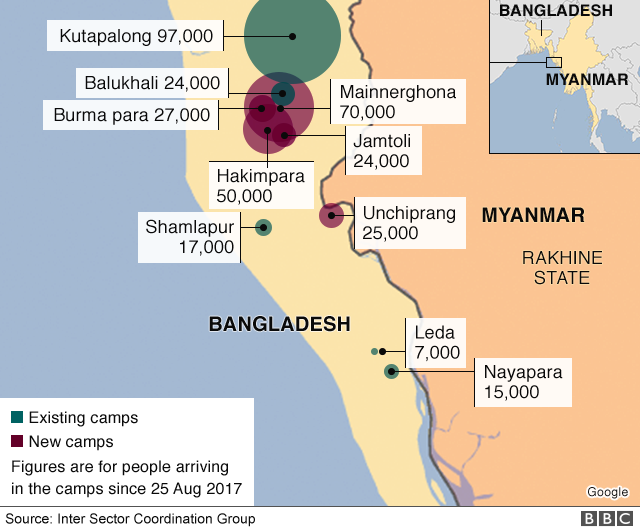
Sohanur Rahman: Almost half a million people flee across the border into neighboring Bangladesh after the ethnic conflict in Burma sparked the most rapid human exodus since the Rwandan genocide in 1994. UNFPA says, 67 percents are women and girls in hole Rohingya refugees. While shelter, food, and water are first priorities, the critical and specific needs of women and girls are often overlooked. But Menstrual Hygiene Management is very important for every woman and adolescent. Millions of Rohingya refugee girls and women need the most basic supplies and services to ensure their health, dignity, and rights. Because dignity is the only thing left when all else is lost.
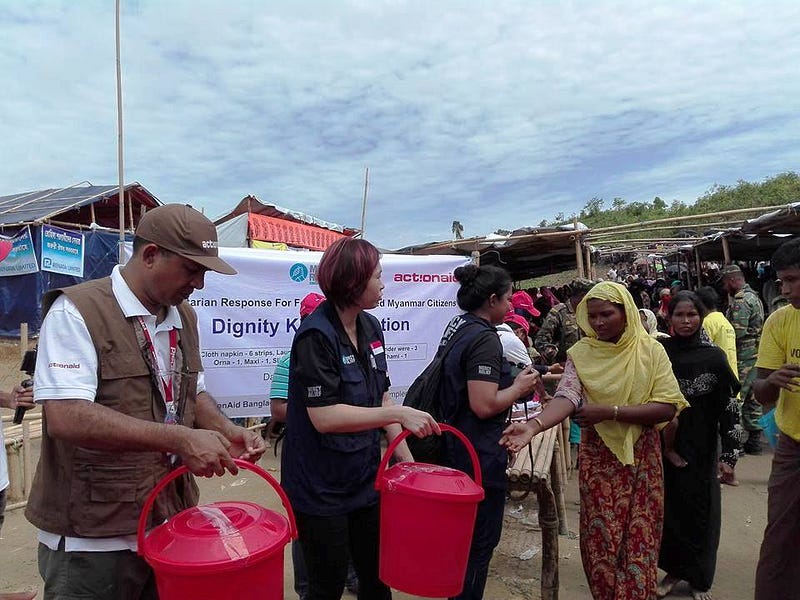
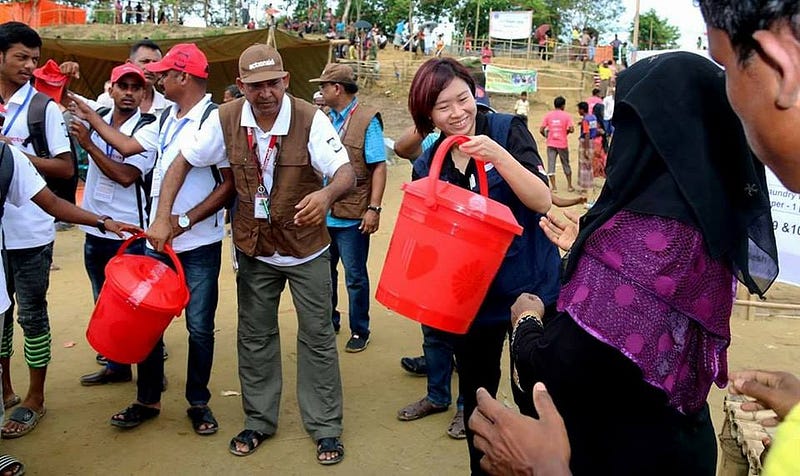
ActionAid Bangladesh distributing Dignity Kit to Rohingya Women and Girl to ensure unmet need for them.

Considering their (Women and adolescent Girl) healthy and dignity-full life, ActionAid Bangladesh has distributed 1000 dignity kits today at Moinnarghona Refugee Camp in Ukhya, Coxbazar to ensure the safe reproductive health, this kit containing basic health and hygiene products for displaced Rohingya women and girls with joint effort by Mercy Relief and local partner Young Power in Social Action (YPSA). An important part of upholding this right, the distribution of dignity kits, which include essential supplies to help women Rohingya refugees to maintain their basic hygiene when they are displaced by the crisis. The ‘dignity kit’ contains women’s personal care items such as the reusable sanitary napkin, maxi, panty, sandal, torchlight, soaps, bucket and other clothes. It will ensure the safe reproductive health, these dignity items are so important for the women in the camp.


Due to unfavorable environment and existence of some belief and taboos, women and girl feel shy to talk about Menstruation and it’s management. Moreover, As a refugee and their financial worse condition, women, and girl have not easy access to dignity materials. In and of themselves, sanitary pads are not life-saving items, but they do play a crucial role in preserving a woman’s health and dignity and keeping her from harm, especially for those living in humanitarian crisis settings. They also needed training session about the importance of this Kit.


According to Abdul Alim, Manager- Humanitarian Response, ActionAid Bangladesh have committed to address that unmet needs of women and girls by running Women friendly space and distributing Dignity Kit, which will be continued!
#WithRefugees #SaveRohingya #Bangladesh #YouthPower

Sunday, 27 August 2017

Youth innovation will ensure transparency in governance of climate change funds


Innovating action on climate Finance: Engaging local Youth

We have known for over a decade that Bangladesh, the least responsible countries for global warming, is first in line to feel the full force of its impacts. For proper utilisation of Climate Funds for facing challenges of climate change impacts, needed to prepare a Local Adaptation Plan engaging local peoples including youth urgently. Experts at a workshop underlined the importance of empowering local youth activists and supporting their potential innovating actions to ensuring transparency and accountability on Climate Finance to lead better lifestyle, building community resilience under adverse climate change impacts in coastal areas. Needed Justice and justified share of climate funds, with appropriate plans, stakeholders active participations for proper implementation of adaptation-mitigation projects including transparency, accountability, the speakers and participants viewed.

 The opinions came at the concluding ceremony of a daylong training workshop on ‘Innovation action for Climate Transparency: Engaging local Youth’ held 21st August at Jahan Conference Center in Barisal city. Prof Dr SM Imamul Haque, Vice-Chancellor , University of Barisal was addressed this ceremony along with  Abul Bashar from British Council, Md Abdul Jalil from UNICEF Bangladesh, Roufa Khanum and Rezwan Siddiqui from C3ER,  Sohanur Rahman and Shakila Islam of YouthNet. The impacts of   climate change is one of the biggest threat against human rights, justice and social security in Bangladesh and it is one of the great impediment to achieving SDGs, they told. Speakers also demanded justice, transparency and accountability in allotment, distribution and using climate change fund and focusing issues.

 A total of 36 climate activists from different universities and affected districts have participated in the workshop.  Center for Climate Change Environmental Research of BRAC University in cooperation with YouthNet for Climate Justice, a youth led organization network, organized the workshop under the ‘Climate Finance Transparency Mechanism (CFTM)’ project being funded by PROKAS progam, British Council and UKAid.


Mr Abul Bashar, representative of British Council have brief about CFTM project with background at inaugural session on this workshop. Rezwan Siddiqui, Task Manager of C3ER facilitated the workshop as resource person support with C3ER team. The resource person presented an overview of Climate Finance in Bangladesh and discussed about the role of local youth to ensure climate finance transparency.


Then youth participants are divided in 5 groups and find out vulnerability on their community and innovative solution through climate fund management game.  After this participatory group work they had shown that global warming has been threatening all human rights specially women and children with social securities in coastal Bangladesh which are designed to prevent destruction of life, health, education, property, livelihood, migration etc. Due to climate change impacts various diseases spreading among the human and animal being, plants, causing deforestations, destruction of water resources and supplies by their group presentations. They have also planed some innovative solutions and   adaptation project on their community level reducing  various vulnerability and building resilience.

In concluding session, the prominent social scientist Prof Dr SM Imamul Haque, Vice-chancellor, University of Barisal stressed on the issues of adaptation to global climate change and its adverse impacts on the agriculture sector must get maximum priority to keep agro-production increasing for ensuring food and nutrition security. Young people can work to identify needs of people in coastal regions. They can also contribute on Climate smart agriculture by supporting local farmers.

He expressed this views putting emphasis on innovation of newer technologies and more salinity tolerance crop varieties to popularize those among the farmers for cultivation under adverse situations. Because adverse impacts of climate change on agriculture might severely affect food production in future.

Answering a question of participant Mr Haque told that, there are no ways without embankment to protecting riverside area by erosion. But we should building this embankment as climate resilient and give early warning to the targeted peoples for shifting others in safe places.  

He also urging `Why we will be questioned for transparency with climate finance? It is shameful for us. Some peoples are devil but our nation is not corrupted nation. We should proper planning, coordination for utilise climate change funds with transparency and accountability. Young people can contribute on this social movement as change agent.


Tuesday, 11 July 2017

EXPERTS FOR RAISING MASS AWARENESS ON ENVIRONMENTAL CONSERVATION AND SAVE ECOLOGY


Keeping the theme ‘connecting people to nature’ Bangladesh Water Partnership (BWP) has celebrated World Environment Day 2017 by various programs at Barisal, Bangladesh. The celebration had 3 components namely Seminar/workshop, Video presentation and Parliamentary Debate competition.
BWP’s Barisal members organisations jointly celebrated the programs or activities to raise awareness of people to save the coastal belt area from environment and ecological hazards. The main objective of the event was to encourage citizens and youth to spread the word about connecting the nature and environment protection, enhance knowledge of young and organisation members; by members, partners, civil society members, environmental activists, stakeholders, students with debate competition, professional address, video report presentation on the environmental situation of Barisal region, address of the distinguished guests, free opinion sharing session, elevator comments and final recommendations etc.
This year’s celebrations focus on encouraging people to get outdoors and into nature and feel its beauty and importance in order to protect the shared earth, according to the United Nations Environment Programme. Environmental experts, Representative from local government agencies, Government Officials concerned to or involved with environment or ecology related issues, BWP Officials and members, CSOs representatives, Youth Leaders and media personalities have called all stakeholders for taking initiatives to raise mass awareness and promote local action on environmental conservation involving youths. They made the call while taking part in an interactive discussion titled “Conserve Environment and save our ecology” which held at 12 June in Jahan conference centre, Barisal supported with Global Water Partnership South Asia and Bangladesh Water Partnership. BWP’s Barisal members organizations jointly celebrated this programs or activities to raise awareness of people to save the coastal belt area from environment and ecological hazards.
Dr. Engineer Khandokar Azaharul Haque, President of Bangladesh Water Partnership ( BWP ), honored as Chief Guest of the meeting along while special guest was Mr. Md. Sajidur Rahman Sardar, Chief Engineer, Water Development Board, Barisal, Mr. Arefin Badal, Assitant Director, Department of Environment, Barisal, Dr. Sayed Habibur Rahman, Chairman, Mannobodhikar Jot ( Collaboration for Human Rights ) Barisal, Ms. Israt Aman Rupa, Councillor, Barisal City Corporation. The keynote paper of the seminar was presented by Dr M. Hasinur Rahman, Din, Faculty of Biology, Barisal University, Barisal and Development organizer Mr. Kazi Jahngir Kabir presided over the meeting on the Dias. Save the Planet organizer Sohanur Rahman have moderated this seminar.
The meeting was started formally with welcome speech of Mr. Habibur Rahman Talukder, Executive Director, of Social Economic Development Society ( SEDS ) and Focal Point of Bangladesh Water Partnership ( BWP)’s Barisal. Upon the request of the President of the meeting, all members and guests attended the meeting presented their respective names with title or designation. Local nature conservationists, however, observed that the people of the country were mostly reluctant to protect natural resource-rich environment, thus appeared as destroyers of nature amid non-implementation of conservation laws and lack of awareness of the importance of healthy environment.
Key Note speaker Dr. Hasinur Rahman told on his speech that, In recent decades, scientific advances as well as growing environmental problems such as global warming are helping us to understand the countless ways in which natural systems support our own prosperity and well-being. For example, the world’s oceans, forests and soils act as vast stores for greenhouse gases such as carbon dioxide and methane; farmers and fisher-folk harness nature on land and under water to provide us with food; scientists develop medicines using genetic material drawn from the millions of species that make up Earth’s astounding biological diversity. Billions of rural people around the world spend every working day ‘connected to nature’ and appreciate full well their dependence on natural water supplies and how nature provides their livelihoods in the form of fertile soil. They are among the first to suffer when ecosystems are threatened, whether by pollution, climate change or over-exploitation. Nature’s gifts are often hard to value in monetary terms. Like clean air, they are often taken for granted, at least until they become scarce. However, economists are developing ways to measure the multi-trillion-dollar worth of many so-called ‘ecosystem services’, from insects pollinating fruit trees in the orchards of California to the leisure, health and spiritual benefits of a hike up a Himalayan valley.
Pointing to the government failure to sensitize people on green issues, they said that the country’s inbound tourism, targeting the natural resource-rich locations like the Sunderbans, Cox’s Bazar, Chittagong Hill Tracts, hilly Sylhet and others, had been flourishing at the expense of the environment. Tourism sector people admitted that irresponsible tourism and relaxed implementation of the conservation acts had transformed the beautiful mangroves and sea beaches into waste dumping zones. Moderator Sohanur Rahman leading Youth Leader have presented 5 Wide screen video report presentation on the environmental situation of Barisal region, which was electronic media reports and video based reflections on various environmental degradation and ecological disaster in Barisal region, especially in Barisal city areas, who clearly showed how environment has been affected by unwise planning, illegal land occupation of the water bodies, ineffective project implementation mainly by government agencies etc.
Md. Sajidur Rahman Sardar adreesed, Global warming and Environmental degradation are almost synonymous and very important issues in Bangladesh context. Bangladesh is recognized as one of the most climate susceptible countries in the world due to its unique geographical location, hydrological regime and topography. It has funnel shaped coast of about 810 km long exposing the low land to cyclones and tidal surges, low lying topography experienced with seasonal flooding and tornados. It has widespread poverty, large population base and poor institutional strength. These make the country most vulnerable to climate change. Water related hazards, floods, drought, riverbank erosion, cyclonic events and storm surges are common in Bangladesh but increase in frequency and intensity of these hazards due to rapid climate change have been affecting hydrological regime, agriculture, fisheries, forestry and inland navigation sectors which has its negative impacts on both natural and social environment. Several national climate change initiatives (National Water Management Plan, National Adaptation Program of Action, Bangladesh Climate Change Strategy and Action Plan) have included integrated developmental issues to reduce the negative impacts of climate change on natural environment and social lives and livelihoods ensuring sustainable development. These national climate change initiatives have been accentuated under the vulnerability and impact assessment of climate change for the water resources sector. The role of the youths is also narrated in the presentation.
Dr. Engineer Khandokar Azaharul Haque, Chairman Bangladesh Water Partnership ( BWP ) , Chief Guest of the meeting mainly spoke on the occasion. He stressed the local people should be involved from planning to implementation for all kinds of environmental conservation specially young people, he said, adding “There should be delicate balance between development and conservation and need of preservation of environment and specified various factors contribution to environmental degradation as well as ecological crisis in this region”. Mr. Azhar identified bad global leader like US President Donald Trump is the main threats of the climate injustice.
Following their address other guests on the Dias presented their short address on the purpose of the celebration meeting. They presented their recommendation which they asked to follow by the concerned authorities, NGOs, general people etc. stressed the immense need of mass awareness building.
Open discussion, evaluate comments and final recommendations by the audiences:

During the event, the local organisations working on environmental conservation shared their experience, success and lessons. The discussion focused on the challenges, opportunities, lessons learned and successes of the actions taken at local level that contribute to conserve the environment and achieve the Sustainable Development Goals.
They showed that, Youth are the heart of the society. If they lead into a specific direction, they can solve the challenges and try to overcome it with their innovative ideas. Youth of the Barisal community played a vital role in this. Many members from audiences participated in free opinion sharing session, question & answer, elevator comments session, open to all. The audiences are highly impressed of debate and key speakers’ address. They found two main causes contributing environmental degradation were 1. Higher pressure of high density of population and 2. Lack of technology. Other causes specified that general or ordinary mass are not being aware of environment properly by concerned authorities, NGOs etc and asked more concern to environment. Social Activist Shubhonkor Chakrobarty, Environmental activist Lincon Bayen, Development consultant Paul Saha, Women Rights worker Hasina Nila attended this discussion.
They specified various government departments corruptions are being mainly contributed environmental and ecological degradation, and asked more measures so that corruption among the some staffs in various government departments as well as law enforcing agencies to stop or prevent such widespread corruption or otherwise environmental or ecological crisis in Bangladesh can effectively reduced or prevented. They also evaluated the celebration purpose highly successful and will serve with more impacts in future intervention to prevent environmental degradation. At the concluding session of the celebration meeting all participants of the debate session were awarded with prize as well as trophy was given to winner and runners up. Guests addressed and attended the ceremony of distributing crest, medal and certificates among the competitors. The celebration meeting was closed with vote of thanks from the prominent development organizer Mr. Kazi Jahngir Kabir and President of this celebration meeting. 

Friday, 23 June 2017

Bangladesh: Youth at the forefront of community-based early warning systems


The effects of a changing global climate are already being felt in Bangladesh, which is ranked second on the climate change vulnerabilities index. According to our partner UNICEF Bangladesh, in the report Learning to Live in a Changing Climate: The Impact of Climate Change on Children in Bangladesh, approximately 60 percent of the country is susceptible to levels of flooding where 25-30 percent of the area becomes inundated during a normal flood. 
But there is little evidence of the community-level use of seasonal forecasting, where impact-based forecasting can be used in response actions. Early warning systems are generally inadequate and do not allow community members to access and interpret information in order to make decisions. Increased investment is needed in this area, to roll out information systems and work with communities to understand how different types of information can be used. Warning communication technologies will make flood and drought risk management more integrated and effective at the local level. 
In the context of Barisal region’s most vulnerable area, rapid onset hazards such as monsoons, floods and coastal floods occur regularly every year and cause damage to infrastructure, lives and livelihoods, while slow onset hazards like drought render homes and environments permanently uninhabitable and agricultural land unproductive.
If we compare the loss caused by different disasters, flood is the highest while drought scores the fourth. Again, if we analyze the loss and damage among different sectors, the agricultural sector is the most affected one and farmers are the worst victims. The loss and damage due to drought or flood could be minimized largely by providing agro-meteorological information to the farmers well ahead.
Bangladesh has a strong disaster management regulatory framework. The Disaster Management Act 2015 of Bangladesh calls for warnings to be disseminated in accessible language, in coordination with neighbouring countries. The Bangladesh Climate Change Strategy and Action Plan pointed out that, while “forecasts are released through emails and website, there is scope for improvement”.
In Barisal, early warning is more prompt and precise for cyclones, but not reliable enough for floods and drought. If we develop our products and use those media tools efficiently, we can reduce vulnerabilities. A people-oriented and effective early warning system, with support of partners, should have four elements:
  • Assess Risk related Knowledge
  • Early Warning Generation
  • Dissemination
  • Responses & evaluation
These elements should be integrated to ensure the expected impact.
The World Disaster Report stressed the importance of understanding early warning as a system rather than a technology. Beyond the technological aspects of early warning, the report highlighted the need to address risk assessment, communication, dissemination, and preparedness to act with the same level of commitment provided to the technological aspects of early warning.
The Barisal Youth Declaration at the first Youth Conference on Climate Change, Barisal 2017 in Bangladesh called for climate change vulnerabilities and disaster-related information to be properly disseminated and easily accessible, understandable and communicable to all, especially vulnerable communities. The youth of Barisal also committed to establish linkage with global youth networks and communities using digital and social media and other possible ICT platforms for sharing their experience, challenges, and learning on DRR and Climate change impacts.
So we should develop people-oriented early warning systems to save lives in affected communities in flood and drought prone areas of Bangladesh. Such improvements in communication to the key actors in the field would ultimately lead to more resilient and prepared residents at the community level in Barisal region.
In this context, Bangladesh Model Youth Parliament and YouthNet for Climate Justice are planning to establish community-based youth TV to address effective early warning and use different communication technologies for flood and drought risk management.
We are also trying to introduce a new system to show where flood water is rising or reducing, using maps on TV. We can use mobile, FM radio, community TV, IVR. Around 50 percent of the country's population is young. They can be the change agents for information dissemination. Young people can be involved in the decision making process and to take action as change makers with their innovative capacity for social change and sustainable development. Children and youth will be the spotlight of this initiative.  
The community is the key resource in flood and drought risk reduction. They are the key actor as well as the primary beneficiary of any disaster risk reduction effort. Community based early warning for floods and drought and risk management can lead to progressive improvements in public safety and community disaster resilience, and should contribute to equitable and sustainable community development in the long term. Focusing on community needs and demand in flood and drought early warning can reduce vulnerabilities and strengthen people’s capacity to cope with flood and drought risk.

Tuesday, 23 May 2017

ফকির লালন শাহ, পানি ও ন্যায্যতা

সোহানুর রহমান: লালন ফকির ও পানির বিষয়ে একটা লেখার ইচ্ছে ছিলো দীর্ঘদিনের। আমি গভীরভাবে খেয়াল করেছি লালন তার গানে কোন তত্ত্বকে সহজে খোলাশা করতে গিয়ে পানির উদহারণটাই টেনেছেন বারংবার। এতে করে কঠিন বিষয়টাও হয়ে উঠেছে পানির মত সহজবোধ্য।
পানির উপর কাজ করতে গিয়ে এই ইচ্ছে লেখার ইচ্ছেটা আরো তীব্রতর হয়ে ওঠে। কিন্তু লেখাটার শিরোনাম লিখতে গিয়ে পড়েছি মহামুছিবতে। প্রথমই যেখানটাই খটরমটর লাগে তাহলো মহান সাধক লালন ফকির লালন শাহ না হয় লিখলাম, এর পাশে পানি লিখবো নাকি জল? এর মিমাংশা পরে করবো। ধান ভানতে শীবের গীত হলেও এর আগে আমাদের গ্রামের বাড়ির কথাই বলি।
আমরা আর আমাদের প্রতিবেশি নট্র ও সরকার বাড়ির লোকেরা একই নলকূপের পানীয় জল গ্রহণ করতাম। কিন্তু আমরা পান করতাম পানি, ওরা খেত জল। আমাদের চিন্তাধারা হচ্ছে, মুসলমান ‘জল’ খায় না, হিন্দু ‘পানি’ পান করে না। কথিত আছে, আগেরদিনে মুসলমানের ছোঁয়া লাগলে হিন্দুর পানি নাকি বিশুদ্ধ থেকে অপেয় হয়ে যেত। জল আনতে গিয়ে মুসলমানের মুখ দেখলে নাকি সেই কলসের জল ফেলে দিত সনাতন ধর্মাবলম্বী বধূরা। শরৎচন্দ্রের ‘মহেশ’ গল্পেও এই পানীয় জলের বিভেদ-বৈষম্য অনেকটাই প্রতীয়মান। কিন্তু লালন ফকির এমন এক সাধক পুরুষ যিনি তাঁর গানে সমার্থক এই দুটি শব্দই সাদরে সমান মর্যাদায় গ্রহণ করে বিভেদপন্থী অনিচ্ছুক হিন্দু-মুসলমানকে এক ঘাটের ‘পানি’ ও ‘জল’ খাইয়ে ছেড়েছেন।
তিনি গেয়েছেন, ‘জলের উপর পানি না পানির উপর জল/ আলীর উপর কালী, না কালীর উপর আলী / বল খোদা বল, বল খোদা বল?’ আগায় পানি না ঢেলে জাতধর্মের প্রশ্রয়ে লালিত ভাষা-সাম্প্রদায়িকতার গোড়াও এভাবেই কেটে দিয়েছেন তিনি। পানি হচ্ছে লালনের গানের একটি অন্যতম প্রধান উপজীব্য। বিভিন্ন গানের মাধ্যমে লালন পানি ও সামাজিক ন্যাযাতার কথা বলেছেন। লালনের পানি ভাবনা নিয়ে রয়েছে নানা জনের নানা মত থাকলেও আমাদের আজকের সমাজেও লালনের গানের প্রাসঙ্গিকতা এতটুকু কমেনি। যদি লালনের এই গানটার কথাই থরি: ‘জানো না মন খালে বিলে / থাকে না মীন জল শুকালে। কি হবে আর বাঁধাল দিলে, মোহনা শুকনা। অসময়ে কৃষি করে মিছামিছি খেটে মরে। গাছ যদিও হয় বীজের জোরে, ফল ধরে না। সময় গেলে সাধন হবে না। দিন থাকিতে তিনের সাধন কেন করলে না’। সময়ের কাজ সময়ে না করলে বিপর্যয়ের মুখোমুখি হতে হয়।
খালে বিলে যদি পানি না থাকে তাহলে মাছ বাঁচতে পারেনা। কেউ যদি মোহনা শুকনা করে রাখে গজলডোবায় বাঁধ দিয়ে, তাহলে তিস্তা ব্যারেজ দিয়ে কোন লাভ হবেনা। জলবায়ু পরিবর্তনের সাথে সাথে কৃষিকাজেও বৈচিত্র্য আনতে হবে। নইলে কৃষক যতই খাটাখাটুনি করুক না কেন ভালো ফসল পাওয়া যাবেনা। পরিবেশ সংরক্ষণের এখনই সময়। জলাধারগুলো দখল এবং ভরাটের হাত থেকে না বাঁচাতে পারলে পরে যতই উচ্চবাচ্চ্য করা হোকনা কোন কাজে আসবেনা।
বাংলাদেশের মানুষের কথা যদি বলতে চাই তাহলে বলতে হয় ‘সমুদ্রের কিনারে থেকে জল বিনে চাতকী মলো’ গানটির কথা। অতৃপ্ত লালন যেমন মেঘনা নদীর কাছে থেকেও পিপাসায় হাকাকার করেন : ‘সমুদ্রের কিনারে থেকে জল বিনে চাতকী মলো/ ওরে বিধি হারে বিধি/ তোর মনে কি ইহাই ছিল /..ফকির লালন মরল জল পিপাসায়/ কাছে থাকতে নদী মেঘনা।’ আমাদেরও ঠিক হয়েছে একই দশা। তিস্তায় ঘটি ডোবেনা। পশ্চিমবঙ্গের মুখ্যমন্ত্রী মমতা ব্যানার্জির মনে কি ইহাই ছিলো? ফারাক্কা বাঁধের কারনে পদ্মায় বালুচর। বদ্বীপ অঞ্চলের মানুষ আজ লালনের মত জল পিপাসায় কাতর। লালনের পিপসা হয়ত অন্যকোন দিকে ছিলো । কিন্তু নদীমাতৃক বাংলাদেশের পাথরঘাটা, কলাপাড়া, শরণখোলার মত অনেগুলো এলাকার মানুষ সত্যি সত্যিই তৃষ্ণার্ত। তাদের ভরসা পুকুর কিংবা চাতকের মত বৃষ্টির জল।
জানি, অনেকেই আমার এ ব্যাখার সাথে অনেকেই একমত হবেন না। দেহতত্বের কথা বলতে চাইবেন। ইউটিউবে এক মাওলানা সাহেবকে এই গানটির দেহতত্ত্বের দিকটায় আলোকপাত করে লালনকে লম্পট বলে আখ্যায়িত করেন। জীবন কিংবা দেহতত্ত্ব কোন কিছুই পানি ছাড়া অকল্পনীয়। এমনকি মহাগ্রন্থ আল-কুরআনে আল্লাহতা’লা বলেছেন, ( أَلَمْ نَخْلُقْكُمْ مِنْ مَاءٍ مَهِينٍ ) “আমি কি তোমাদেরকে তুচ্ছ পানি থেকে সৃষ্টি করি নি? (মুরসালাতঃ ২০)। আল্লাহ তাআলা আরও বলেনঃ ( فَلْيَنْظُرِ الْإِنْسَانُ مِمَّ خُلِقَ خُلِقَ مِنْ مَاءٍ دَافِق) “অতএব, মানুষের দেখা উচিত কি বস্তু থেকে সে সৃজিত হয়েছে। সে সৃজিত হয়েছে সবেগে স্খলিত পানি থেকে”(সূরা তারিকঃ ৫-৬)।
‘এই পানি দ্বারাই তোমাদের সৃষ্টি করেছি’- বাংলাদেশ পানি উন্নয়ন বোর্ডের মনোগ্রামের উপর দিকটাই আরবীতে এরকমেরই একখানা আয়াতখানা সুন্দর করে লেখা আছে। আদমসন্তানের জন্ম হয় তাঁর পিতার একফোঁটা পানির (বীর্য) মাধ্যমে। আর যদি লালন পানির মাধ্যমে দেহতত্ত্বের কথা বলেন তাহলে যত্তসব বিপত্তি। অনেকেই লালনের পানির রূপক ব্যবহার সম্পর্কে তির্যক মন্তব্য করেছেন। যারা অযথাই বির্তক বাঁধাতে চান তাদের জন্য লালন গেয়েছেন এই গান: ‘ইল্লতে স্বভাব হলে পানিতে কি যায়রে ধুলে, খাজলতি কিসে ধুবা? লালন বলে হিসাব কালে সকল ফিকির হারাবা /মন সহজে কি সই হবা?’ ।
লালনের জীবন জিজ্ঞাসা- মানুষে মানুষে ভেদাভেদ বুঝাতে গিয়ে লালন সমগ্র মানুষকে অখন্ড জ্ঞান করেছেন। জাত পাতের তোয়াক্কাহীন লালনের কাছে সব মানুষই সমান। জন্মের কারণে কেউ হিন্দু, কেউ মুসলমান সকলই একই স্রষ্টার মানুষজীব। লালন-গীতিকায় জাত গেল জাত গেল বলে গানটিতে লালন গেয়েছেন, ‘ব্রাহ্মণ-চন্ডাল চামার-মুচি/একই জলে সব হয় শুচি/ দেখে শুনে হয় না রুচি/ যমে তো কাউকে ছাড়বে না’ । নদীর জলের যেমন কোন আলাদা জাত নেই। ব্রাহ্মণ চন্ডাল চামার মুচি সকলেই তো এক জলেতেই শুচি হয়। জলতো কাউকে ভেদাভেদ করে না। তেমনি জলের প্রাপ্যতার ব্যপারেও সব মানুষের রয়েছে সমান অধিকার। তাঁর গান একটা বার্তাই পৌঁছে দেয়, তিনি হিন্দু বা মুসলমান হওয়ার বদলে প্রাণপণে ‘মানুষ’ হতে চেয়েছেন। যদিও তাঁর কথা শোনা বা তার তাৎপর্য বোঝার জন্য সমাজ-মন প্রস্তুত ছিল না । তাই এই কাল বিরোধী সাধককে কালোত্তীর্ন ভাবনা ভেবে নানারকমের আঘাত সইতে হয়েছে।
মনের মধ্যে কখনো বেদনা, কখনো হতাশা জেগেছে সাইঁজির। তাই হাহাকার আর দীর্ঘশ্বাস মিশিয়ে গান রচনা করেছেন, ‘এ দেশেতে এই সুখ হলো আবার কোথা যাই না জানি/ পেয়েছি এক ভাঙা নৌকা জনম গেল ছেঁচতে পানি’। কিন্তু লালন সাঁইজীতো পরাভব মানতে পারেন না, হতাশার কাছে আত্মসমর্পণ তো তাঁর ধর্ম হতে পারে না! যাঁর তরঙ্গমুখর নদী হওয়ার বাসনা ছিল দুকূল ভাসানো ¯্রােতস্বিনী হওয়ার কথা ছিল, তিনি কিনা হয়ে রইলেন ‘আন্ধেলা পুকুরে’র বদ্ধ ‘কূপজল’! কিন্তু তিনিতো মানুষকে দিশা দিতে চান। তাই সুসময়ের জন্য আশা জাগিয়ে রাখেন, ‘কবে হবে সজল বরষা, রেখেছি মন সেই ভরসা’। একদিন বর্ষা নামবে, নব-জলধারায় সিক্ত হবে এই পৃথিবীর রুক্ষ মাটি, সবুজে ভরে যাবে ফসলের মাঠ। সত্য হয়ে উঠবে মানবজমিন আবাদের মরমি কৃষক লালনের স্বপ্ন।
লেখক : প্রধান নির্বাহী, বিএমওয়াইপি, প্রধান সমন্বয়কারী-ইয়ুথনেট ফর ক্লাইমেট জাস্টিজ

Featured post

YouthNet for Climate Justice receive Joy Bangla Youth Award 2018

Thirty organisations won the Joy Bangla Youth Award 2018 for their outstanding contributions to promoting youth employability, educa...