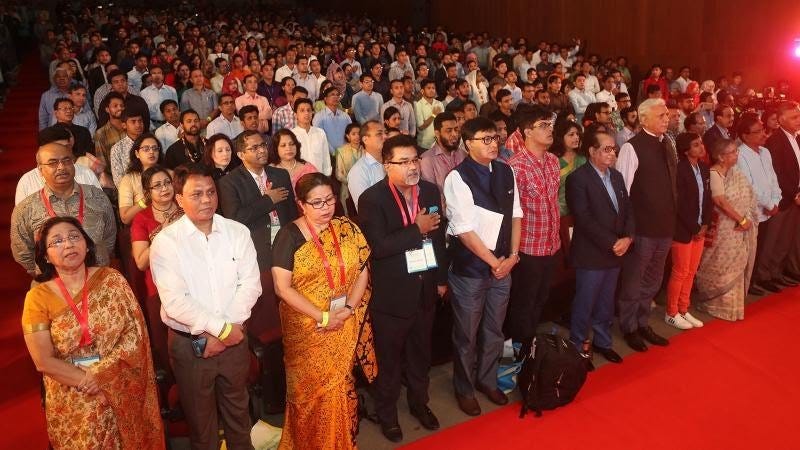
Thirty organisations won the Joy Bangla Youth Award 2018 for their outstanding contributions to promoting youth employability, education, sports, cultural activities, and an end to violence against women.
The 30 organisations were selected from a short-list of 50-nominated organisations under 10 categories, including skill development, universal education, job management for differently-abled people, cultural revolution, innovation, sports and fitness, creating public awareness and reducing gender discrimination.
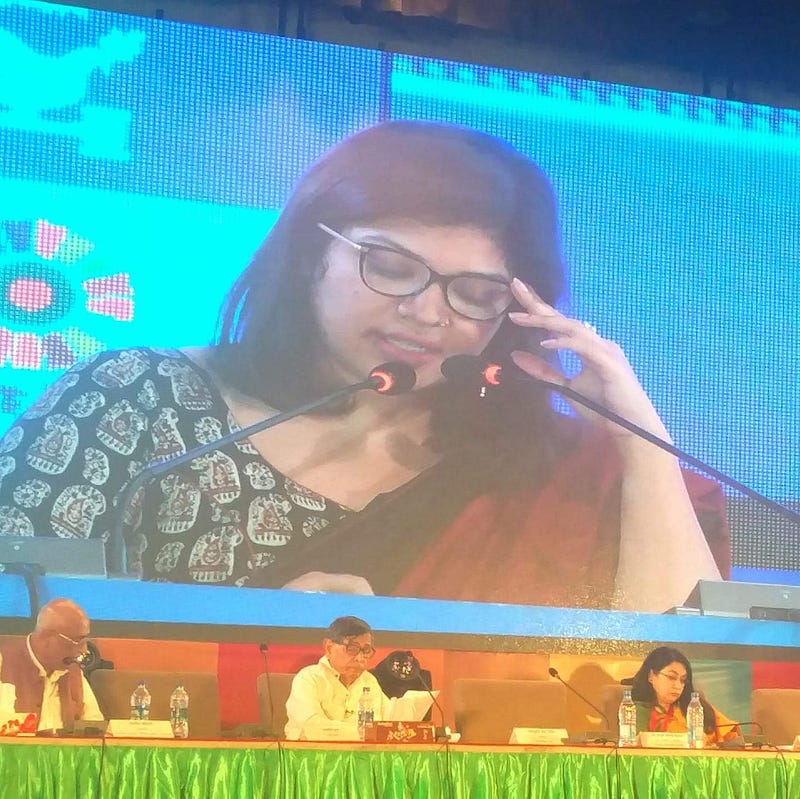
Prime Minister's Information and Communication Technology Affairs Adviser and Centre for Research and Information (CRI) Chairperson Sajeeb Wazed Joy handed over the awards to top 10 organisations at Sheikh Hasina National Youth Center in Savar yesterday afternoon.
Earlier, a two-hour session on women's rights and safety, entitled “#BeBrave”, moderated by Dhaka University Gender Studies Associate Professor Sheikh Imtiaz was held.
The third edition of the Joy Bangla Youth Award began on Saturday with 50 youth-led organisations and platforms.
Young Bangla, the youth platform of non-profit organisation CRI, handed over certificates to the organisations selected for the award on the first day of the programme.
A discussion titled “Career Talk” was held in the opening session of the day, where 200 people including 60 winners of the previous two editions attended.
Later in the day, Young Bangla organised a similar event styled “Let's Talk”, in which the topic “Tarunner Joy Bangla” was discussed.
At present, working with 10 thousand marginalized and endangered people in 10 colonies of 6 divisions and Barisal city are working with the Youth Net for Climate Justice. Youthnet for Climate Justice became involved in 25 young organizations in 2016 to highlight the voices of children and adolescents and youth at the policy-critical level to address the South-Lake climate influences with the 'Safe World Green Forests' The organization, which came to the spotlight in Barisal, for the first time in the country, organized a two-day climate conference on youth summit. In this two-day conference, more than 500 children and young people of Barisal Division, the pioneers of the life-giving program, environmentalists and media people contributed to the youth through exchange of experience. Barisal announced the announcement of the conference in the Jatiya Sangsad and several international forums Barisal demanded by the organization. Even the organizer's co-ordinator Sohanur Rahman took part in the meeting of the Commonwealth Heads of Government with the Prime Minister Sheikh Hasina in March this year. The organization is not limited to meetings or seminars only. The range of their activities has gradually expanded by organizing youths in Barisal Division to tackle disaster, to protect environment and to adapt to climate change. Message of consciousness spreading to safe homes and sanitation, monthly health care, sexual and reproductive health as well as to prevent child marriage. Besides, the organization organizes training with Brac University in Barguna, Bhola, Patuakhali and Barisal districts to develop the skills and leadership of grassroots youth of the tribal areas affected by climate change. The organization has also worked on transparency in Climate Fund. Recognition has contributed to the development of society. In order to overcome the adverse effects of climate change in Barisal, coastal non-people of Barisal have won 'Joy Bangla Youth Award' for their contribution in establishing their rightful rights. Youthnet for Climate Justice Prime Minister Sheikh Hasina's Information and Technology Advisor Sajeeb Wazed Joy handed over this award to the chief coordinator of YouthNet, Shakila Islam, in the Climate Change and Environmental Conservation Development category, among the best 30 organizations on youth. In three years, the organization has got wings in every district and upazila of Barisal Division. More than 1200 young and young women have joined. These skeptical youths are moving forward in front of many obstacles, overcoming adverse environmental obstacles and ignoring the hostile environment. The message of consciousness is reaching from door to door. There is a plan to spread this awareness in larger areas in front of them.
“Youth Conference 2018 – Bangladesh and Agenda 2030: Aspiration of the Youth” was organised by the Citizen’s Platform for SDGs, Bangladesh on 14th October at the Krishibid Institution Bangladesh in Dhaka. Climate Change issue was the totally ignored in this forum. Blog by Sohanur Rahman
It was a great initiative for exploring youth aspirations and enabling them to accomplish the sustainable development goals by 2030. This youth conference would help enhance knowledge about the SDGs among the youth so that they could raise their voices for proper policy formulation and implementation including build strong commitments for actions. On the other side, I am very disappointed because climate change was totally ignored on this forum, unfortunately.
I have not found any session on climate change and each one specific recommendation on Climate Justice and carbon emission on the Youth Declaration out of 25 recommendations.
I think we are unheard tackling climate change, global endangering issues which pose our coastal community transforming crisis. Added to this, it is challenged by its high population density and level of poverty, and its reliance on livelihoods in climate-sensitive sectors, including agriculture, fisheries and water resources. Climate change, therefore, poses a significant threat to people and is undermining our development goals.
It is a very disappointing matter for youth that Climate Change is not included in this youth assembly announcement. -@Nahin Mahfuz Seam, Student, Environmental & Resource Economics, Dhaka School of Economics
Noting that youth represent the age cohort that will benefit the most from the SDGs’ success – or to pay the highest price if the Goals are not met.
I have found this declaration as a full of prescription of recommendations to government and development agencies.
My observation, Youth Declaration should be a proclamation of our commitments to achieve global agenda 2030 along with recommendations. I have not found any somewhat youth commitment and action plans. Dialogue is very important, but we prefer action to fulfil common visions.
I am highlighting one point of Youth Declaration which has mentioned that “Youth Council should be formed to installing Youth Parliament under Youth Act 2017.”
We are giving Solidarity on this point but this mentioned act has not existed in Bangladesh. No one law was not approved in parliament titled “ Youth Act 2017." Youth Policy was passed in 2017 and this document mentioned Youth Parliament should install considering our demands since 2015.
This somewhat miss information will be hampered to get government support on Youth Declaration approval. A good number of policy briefs has published at this conference but has not a single one on climate action.
Climate Change is one of the Biggest Threat to Our Community as well as our environment. Youth has a big role to play. Can’t believe how did they forget to include Climate Change ?!
-Solaiman Khan Santo,Youth delegate
We are passing a critical momentum not only deepened on hopes, but we should also be representing our courageous action to achieve the global agenda. We deeply believe, Youth Power can make it real.
Naimul Islam, from Bangladesh, is a young delegate has attended at the High level Political Forum (HLPF) of UN in New York last June.
He is a member of Bangladesh Model Youth Parliament and European M.Sc in Marine Environment and Resources, Spain with Erasmus Mundus Scholarship.
In HLPF, he urged to ensure integrity between the government and the civil society through meaningful Youth Participation towards achieving Sustainable Development Goals (SDGs).
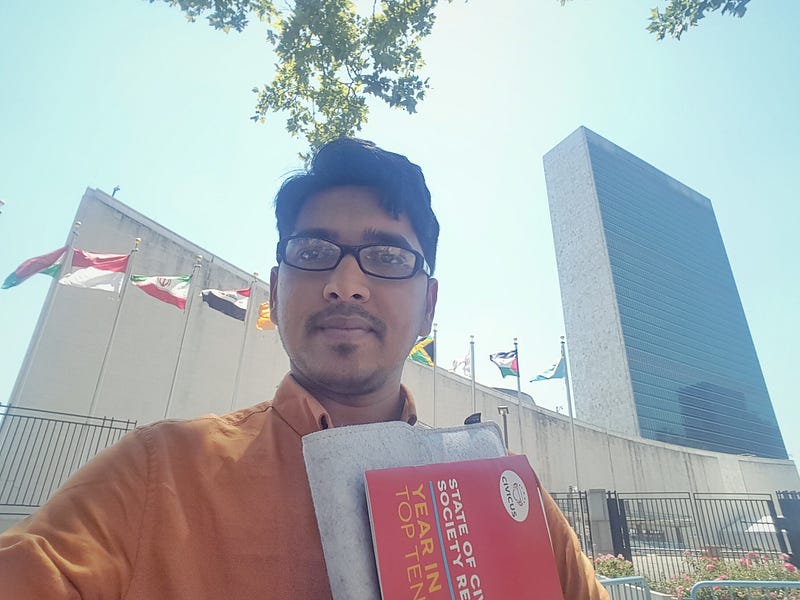
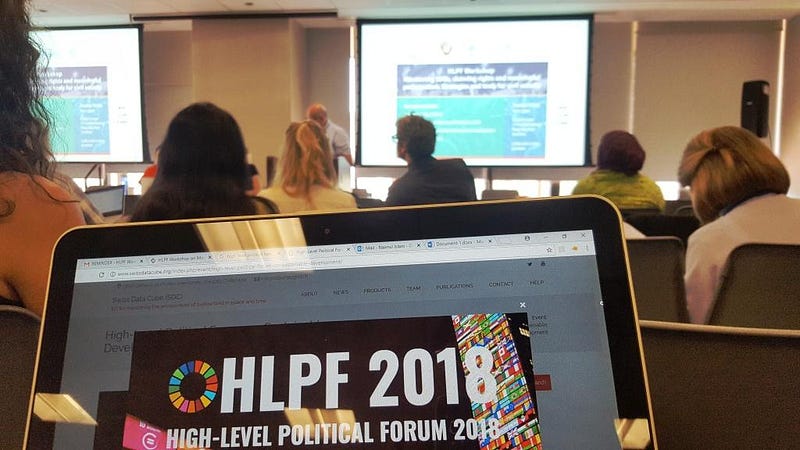
It was Tuesday July 10 in the calendar page, from the morning different feeling was working in my mind. Imagine, Flags of every country flying around a high-rise building and fluttering in front of it. How lovely it is! From an early age, I saw the scene on television. Yes, I was talking about the United Nations Headquarters in New York. A long-cherished dream was fulfilled through participating the United Nations High Level Political Forum (HLPF) 2018.
The HLPF is the UN’s main platform for sustainable development. In the year 2012, the UN High-level Political Forum (HLPF) was constituted to review the sustainable development progress. The HLPF plays a central role in the global development and post-policy for sustainable development agenda 2030.
This 8 days long program was represented by the participation of various government and non-governmental organisations in the world.
It was my great opportunity to represent Bangladeshi young community through the Bangladesh Model Youth Parliament. The organisation is continuing various activities to bring the voice of young people of Bangladesh to the policy level. Also working at the international level, keeping in touch with local and international organisations to achieve sustainable development goals.
Let’s say about the first day. I was already staying in New York. Sohanur Rahman, Chief Executive of Bangladesh Model Youth Parliament, suddenly informed me that, I was nominated to represent the young people of Bangladesh in the High- Level Political Forum at UN Headquarters. I was thrilled to hear the news.
The previous night, I got the desired Ground Pass to enter the headquarters. In the morning when I was entering the United Nations building with all the security gates, I felt like I was Bangladesh!
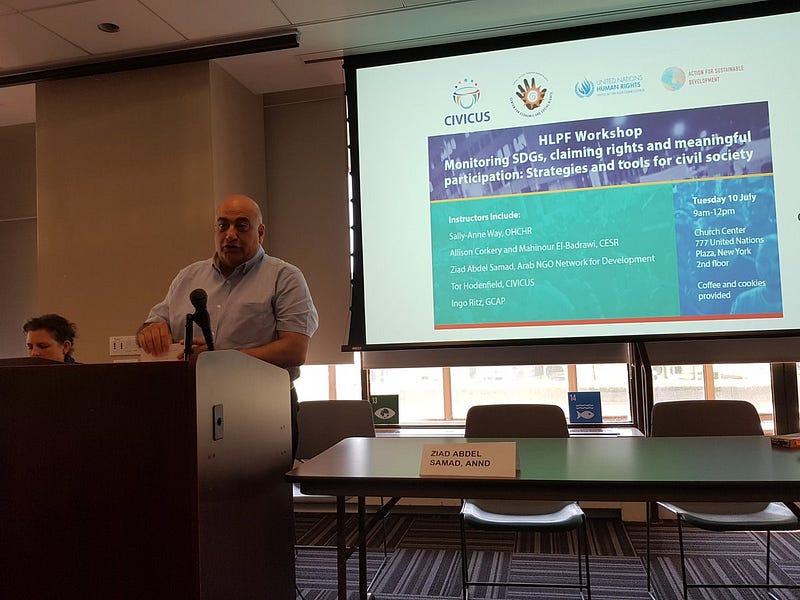
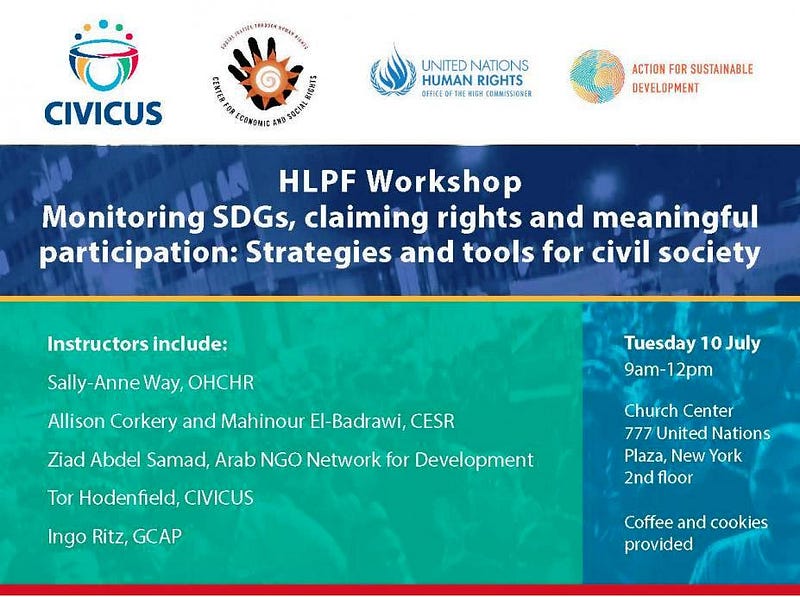
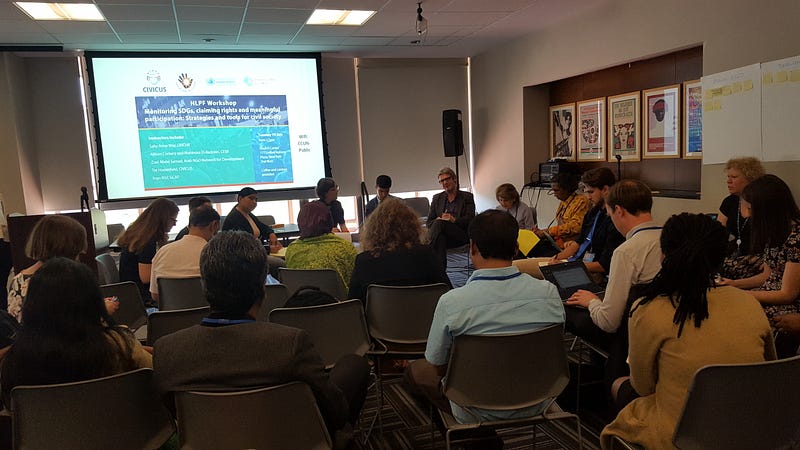
There were several events on July 10th. World Alliance for Citizen Participation -Civicas, Action for Sustainable Development (A4SD) / Global Call to Action against Poverty (GCAP), organized workshops with UN Human Rights High Commissioner’s Office on Monitoring SDGs, claiming rights and meaningful participation: Strategies and tools for civil society. The venue was in the church centre of UN.
The representative of the UN Human Rights High Commissioner, Sally-Anne did the Opening and Moderation. This workshop highlighted capacity-building, knowledge development and networking, which allowed members of civil society from different countries to share their strategies, tools and experiences, and learn from each other on the best ways to engage in SDG implementation, monitoring and review at the national, regional and international levels.
I have discussed about Bangladesh contribution to ensure human right and Rohingya issue. Although we have challenged the implementation of safe water supply and sewerage system in Rohingya camps, Honourable Prime Minister Sheikh Hasina has provided humanitarian shelter to the oppressed refugees Rohingya.
I also expressed my view on how to ensure integrity between the government and the civil society through meaningful participation of young peoples.
After the event, I met the visiting dignitaries from different countries discussed on various issues.
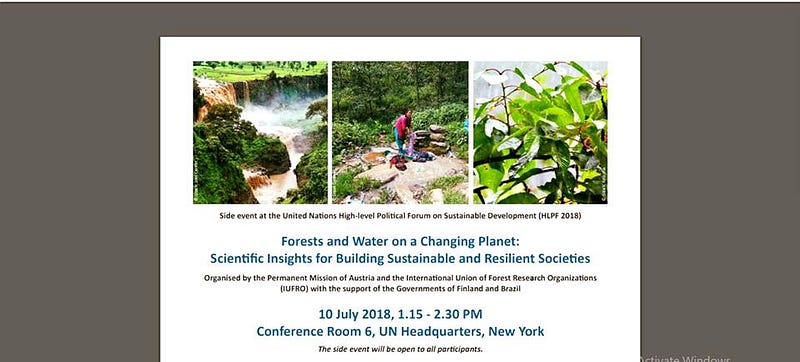
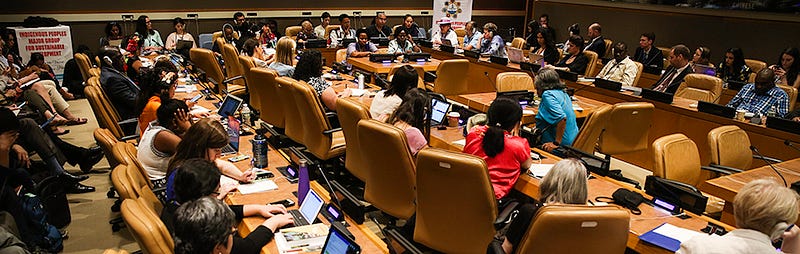
After the lunch, from 1:30 pm to pm, one side event about effect of climate change on forests, water and aquatic resources was held at the conference of the United Nations Headquarters.
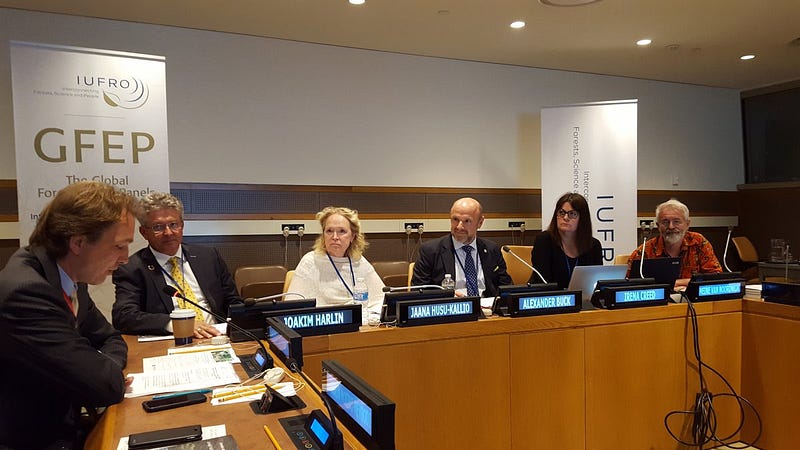
The event titled, ‘Forests and Water on a Changing Planet: Scientific Insights for Building Sustainable and Resilient Societies,’ launched the Global Forest Expert Panel assessment report, ‘Forest and Water on a Changing Planet: Vulnerability, Adaptation and Governance Opportunities,’ which addresses, among other things, the climate-forest-water-people nexus.
It organised by the permanent mission of the Austria in the United Nations, the International Forest Research Union and the official representative of Brazil and Finland.
As a student of Marine Biology and working as Climate Activist, I took an active interest in this event. Speakers highlighted links between SDG 6 and SDG 15, including through SDG 6 target 6.6 (protect and restore water-related ecosystems). There were detailed discussions on how to create an adaptive society to face climate change induced impact on forests and water.
Approximately 75% of the world’s water supply comes from forested watersheds.
During the event, speakers highlighted that: approximately 75% of the world’s water supply comes from forested watersheds; forest ecosystems have strong inter-linkages with the SDGs; and a stronger forest-water link can help policymakers make sound decisions.
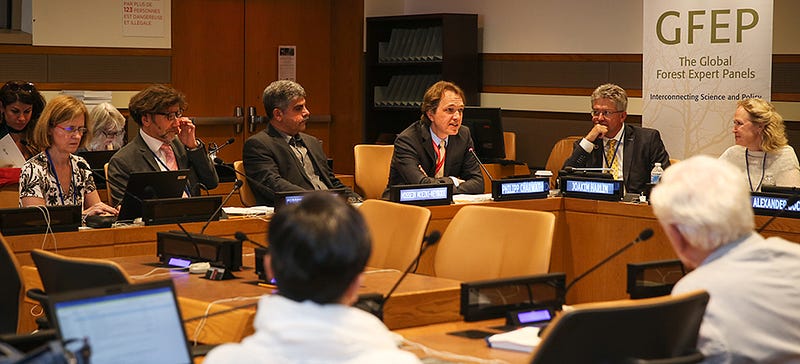
Austrian permanent representative Philip Charlath, United Nations Senior Forest Policy Officer, delivered the welcome speech. Along with other issues, experts also discussed about Goal 14 of SDGs; Conserve and sustainability use the oceans, seas and marine resources for sustainable development.
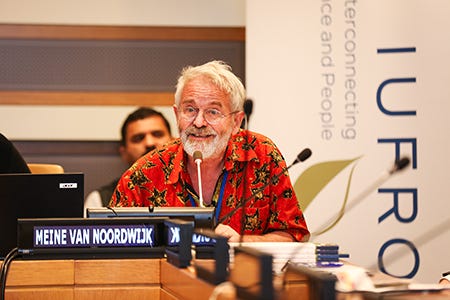
GFEP Co-Chair Meine van Noordwijk, World Agroforestry Centre (ICRAF) and Wageningen University, said forests play a role in modifying rainfall and climate in a manner not captured under the UNFCCC. GFEP Co-Chair Irena Creed, University of Saskatchewan, stressed the need for new institutional and governance frameworks to optimize climate-forest-water management.
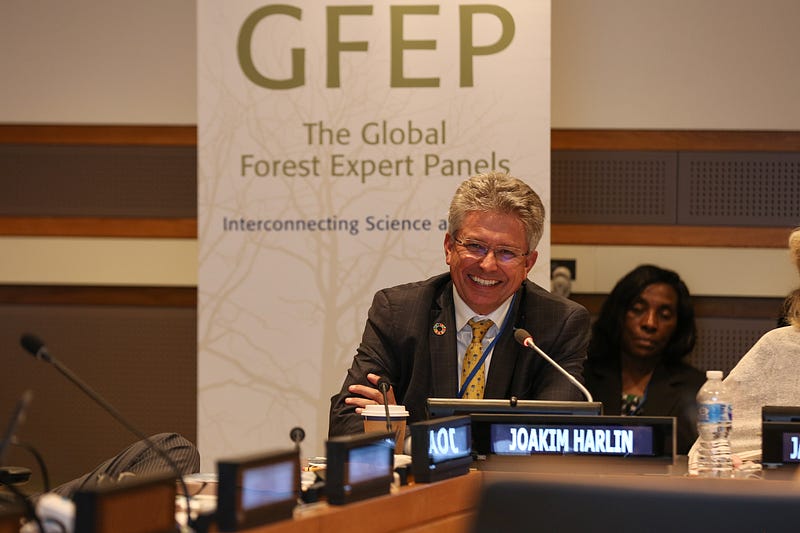
Joakim Harlin, UN Environment Programme (UNEP, or UN Environment) and UN-Water Vice-Chair, noted links between SDG 6 (clean water and sanitation) and SDG 15, including through SDG 6 target 6.6 (protect and restore water-related ecosystems). One participant suggested developing a synthesis report on SDG 6 and SDG 15 for the next HLPF.
Jaana Husu-Kallio, Permanent Secretary, Ministry of Agriculture and Forestry, Finland, emphasised the need to move from silo-type thinking, saying the biggest challenge is to reorganise and think from the nexus point of view. He said Finland’s development policy “One world, common future” takes forests and water into account.
During the ensuing discussion, topics included: lack of reference to water during HLPF interventions on SDG15; the need for a multi-sectoral and multi-disciplinary approach; inadequate training in hydrology in many countries; engagement of the private sector; the role of food security; and the possibility of developing a synthesis report that combines SDG6 and SDG15 for the next HLPF to provide informed policy advice.
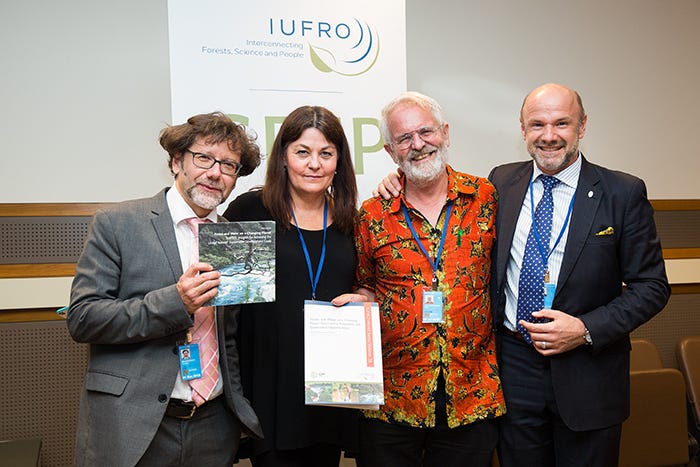
Displaying the newly launched GFEP report and policy brief — L-R: Christoph Wildburger, IUFRO; Irena Creed, University of Saskatchewan; Meine van Noordwijk, World Agroforestry Centre (ICRAF) and Wageningen University; and Alexander Buck, IUFRO
In this 8 -days long program, 6 SDGs were reviewed, 8 special events, 25 subject- matter meetings, 260 side events, 33 exhibitions and various events were organised with 2200 registered participants.
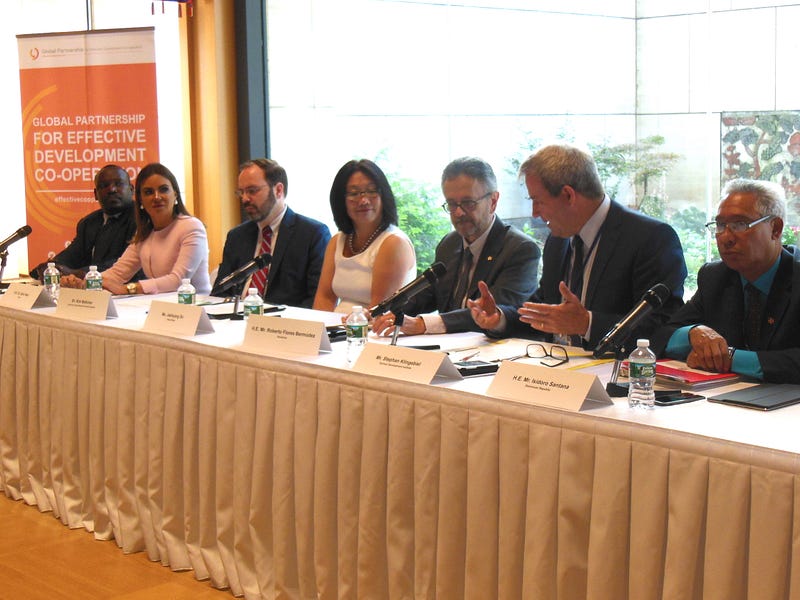
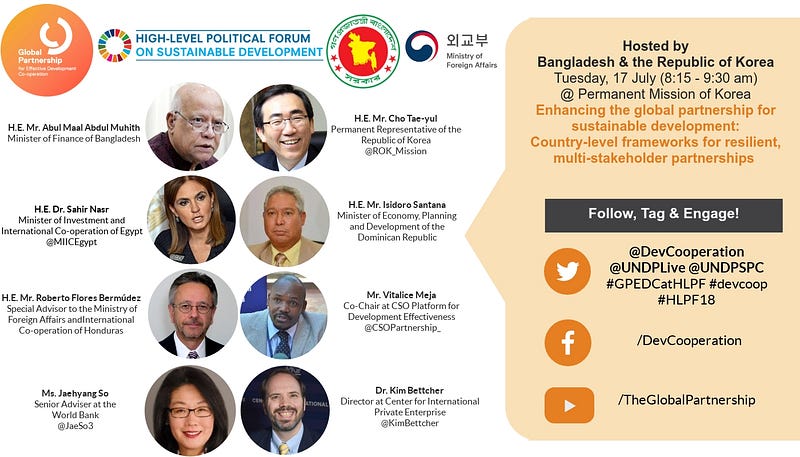
Panelists (left to right): Mr. Vitalice Meja (CPDE), H.E. Dr. Sahir Nasr (Egypt), Dr. Kim Bettcher (CIPE), Ms. Jaehyang So (World Bank), H.E. Mr. Roberto Flores Bermúdez (Honduras), Mr. Stephan Klingebiel (DIE) and H.E. Mr. Isidoro Santana (Dominican Republic)
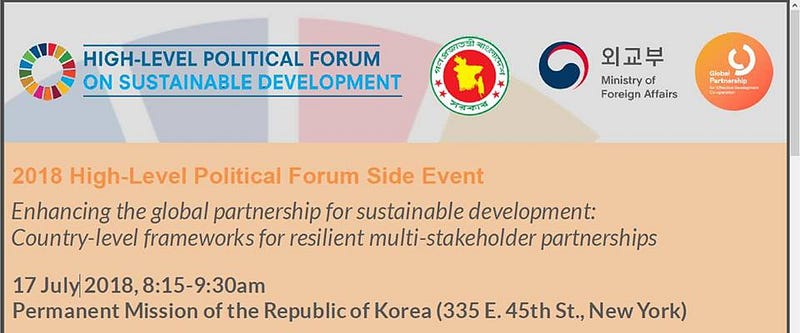
The side event provided a platform for open dialogue around the key opportunities and challenges for building more inclusive institutional frameworks and evidence-based discussions on on ways to strengthen country-level partnerships between a wide variety of development stakeholders.
Bangladesh’s Minister of Finance, H.E. Mr. Abul Maal Abdul Muhith was the keynote speaker in a meeting held at Millennium Hilton Hotel in the United Nations Headquarters. He told the success story of Bangladesh how the country turned around in today’s position from LDC. He recognised that to leave no one behind and meet global promises by 2030, we need to effectively engage all relevant stakeholders in development policy- making, planning and implementation, much like Bangladesh’s own local consultative processes and spaces for open dialogue and coordinated policies.
The side event generated evidence-based dialogue, with a wide array of panelists presenting including Ministers from the Dominican Republic and Egypt, representatives from the government of Honduras, civil society (CSO Partnership for Development Effectiveness), private sector (Center for International Private Enterprise), and multi-lateral institutions (World Bank). The discussions led an honest debate around how country-level, multi-stakeholder partnerships can help implement the SDGs and how they might be reflected in VNRs.
Discussion centred around the importance of establishing multi-stakeholder institutional frameworks for sustainable development at the country level, and the ways in which partnerships could be strengthened and expanded in order to increase development effectiveness and contribute to achievement of the 2030 Agenda.
At this discussion, Bangladesh’s permanent representative and ambassador to the United Nations, Masud Bin Momen and other diplomats were present.
The event attracted over 100 participants from governments, international organisations, civil society, private sector and academia, among others to discuss good practices and progress on institutionalising multi-stakeholder frameworks at the country level to increase the effectiveness of co-operation and support achievement of the Sustainable Development Goals (SDGs)..
Due to the busyness, I was not available directly to the following programs but had not missed-out on the opportunity to provide feedback from virtually present. High-level Political Forum was something special for me. A great deal of experience at international level, representing own country, expressing views, getting acquainted with new people etc made my days.
The dream of experiencing the United Nations was came true by direct collaboration of Bangladesh Model Youth Parliament. The experience gained by representing the youth of the country in the United Nations is a great achievement. It was matter of great pride that in every session to highlight Bangladesh in front of the whole world and highlight the possibilities of young people of my country.
Significant part of the total manpower of Bangladesh is young, between 15 and 30 years of age. There is a lot of investment required to make this young community as resources. Through this, the youth will have to be created as entrepreneurs.
In the future, I want to work with these youth resources, together we can build a self-reliant prosperous Bangladesh.
জলবায়ু পরিবর্তনের বিরূপ প্রভাবের হাত থেকে উপকূলীয় জেলা ভোলাকে রক্ষার জন্য ভবিষ্যৎ প্রজন্মকে সক্ষমতা বৃদ্ধির লক্ষ্যে দুযোর্গের ঝুঁকি হ্রাস ও জলবায়ু পরিবর্তনের সাথে অভিযোজন বিষয়ক ২ দিন ব্যাপী প্রশিক্ষণ কর্মশালা সম্পন্ন হয়েছে।
জাতিসংঘ শিশু তহবিল ইউনিসেফে’র সহযোগিতায় গতকাল মঙ্গলবার ভোলা জেলা প্রশাসন ও ব্র্যাক বিশ্ববিদ্যালয়ের সেন্টার ফর ক্লাইমেট চেঞ্জ অ্যান্ড এনভায়রনমেন্টাল রিসার্চ (সিথ্রিইআর)‘র যৌথ আয়োজনে জেলা প্রশাসক সম্মেলন কক্ষে এই প্রশিক্ষনের সমাপনী ও সনদপত্র বিতরণ অনুষ্ঠান সম্পন্ন হয়েছে। ।
স্থানীয় চিলড্রেন কাউন্সিল, কিশোর-কিশোরী ক্লাব সদস্য ও যুব রেড ক্রিসেন্ট এর ২৫ জন ইয়ুথ সদস্য অংশগ্রহণ করেন।।
কর্মশালার সমাপনী দিনে প্রধান অতিথি হিসাবে উপস্থিত ছিলেন স্থানীয় সরকার বিভাগের উপ-পরিচালক মাহমুদুর রহমান।
এসময় আরও উপস্থিত ছিলেন-ইউনিসেফ এর প্রোগ্রাম অফিসার আ: জলিল,ইউনিসেফ এর প্লানিং এন্ড মনিটরিং অফিসার আল মুমিন মো: গোলাম সারওয়ার, প্রশিক্ষক ব্র্যাক ইউনিভার্সিটির লেকচারার শারমিন নাহার নিপা, এলসিবিসি অফিসার মো: আবদুস সালাম, ব্রাক ইউনিভার্সিটির ফিন্যান্সিয়াল এন্যালিস্ট বিশ্বজিৎ বাড়ৈ, ইয়ূথনেট ফর ক্লাইমেট জাস্টিসের সমন্বয়কারী সোহানুর রহমান, ভোলা জেলা যুব রেড ক্রিসেন্ট এর যুব প্রধান আদিল হোসেন তপু প্রমুখ।
প্রশিক্ষণ কর্মশালায় জলবায়ু পরিবর্তন বিষয়ে ধারণা দেওয়ার পাশাপাশি ঘূর্ণিঝড় বিভিন্ন প্রাকৃতিক দুর্যোগ বিষয়ে আলোকপাতসহ জলবায়ু পরিবর্তনের প্রভাব, নারীও শিশুদের সমস্য নিরসন, অতি বৃষ্টির ফলে কি কি ধরনের সমস্য, অনাবৃষ্টি ও খরা সহ নানা প্রাকৃতিক দুর্যোগ ঝুঁকি সম্পর্কে সচেতন করা হয়।
পরে প্রশিক্ষনার্থীদের নিয়ে এক বছর ব্যাপী কর্মপরিকল্পনা গ্রহন করা হয়।
জলবায়ু পরিবর্তনের ফলে প্রতিনিয়ত দক্ষিণাঞ্চলের সমুদ্রের উচ্চতা বাড়ছে। এর ফলে মিঠা পানির এলাকা গুলো লবনাক্ত হয়ে পড়ছে, কৃষক হারাচ্ছে তার কৃষি জমি । নদী ভাঙ্গনের সাথে সাথে দ্বীপজেলা ভোলার আয়তন দিন দিন ছোট হয়ে আসছে।
সেই সাথে পাল্লা দিয়ে বাড়ছে জলবায়ু উদ্বাস্তু মানুষের সংখ্যাও। চরম হুমকির মুখে পড়ছে নারী ও শিশুদের স্বাস্থ্য ও জীবনযাত্রা । তাই নারী ও শিশু সুরক্ষা নিশ্চিত করার তাগিদ দেন তারা। এর জন্য সময়োপযোগী পদক্ষেপের উপর গুরুত্বারোপ করেছেন ভোলায় আয়োজিত এক কর্মশালার বক্তারা।
সোমবার (১২ ফেব্রুয়ারি) স্থানীয় জেলা প্রশাসনের আয়োজনে জলবায়ু পরিবর্তন ও অভিযোজন বিষয়ক অভিজ্ঞতা বিনিময় কর্মশালায় বক্তারা এসব কথা বলেন। জেলা প্রশাসক সম্মেলন কক্ষে জাতিসংঘ শিশু তহবিল (ইউনিসেফ) এর সহযোগিতায় অনুষ্ঠিত কর্মশালায় প্রধান অতিথি হিসেবে এ কর্মশালার উদ্বোধন করেন জেলা প্রশাসক মোহা. সেলিম উদ্দিন ।
কর্মশালায় বিভিন্ন সরকারী-বেসরকারি দপ্তরের কর্মকর্তা, স্বেচ্ছাসেবী সংস্থা ও জেলার বিভিন্ন উপজেলা বিশেষকরে মনপুরা দ্বীপ থেকে শিশু ও যুব প্রতিনিধিরা অংশ নিয়ে জলবায়ু পরিবর্তনের প্রভাব মোকাবিলায় মতামত ব্যক্ত করেন ।
এ সময় জেলা প্রশাসক মোহা. সেলিম উদ্দিন জলবায়ু পরিবর্তনে বিরুপ প্রভাব মোকাবিলায় একাডেমিক জ্ঞানের সাথে স্থানীয় মানুষের জ্ঞান কাজে লাগিয়ে সঠিক পরিকল্পনার মাধ্যমে সমন্নিত পথ নকশা তৈরি করার প্রতি গুরত্বারোপ করেন। জলবায়ু অভিযোজনে শিশু ও যুবদের ক্ষমতায়িত করতে হবে। তাদেরকে কল্পনার সুযোগ দিতে হবে বলেও জানান জেলা প্রশাসক। স্বাস্থ্য, অবকাঠামো, স্যানিটেশনসহ অন্যান্য বিষয়গুলো কমিউনিটির লোকজনদের নিয়ে জলবায়ু পরিবর্তন মোকাবেলার কৌশল নির্ধারনের উপর সবাইকে এগিয়ে আসতে আহবান জানান তিনি ।
স্থানীয় সরকার বিভাগের উপ-পরিচালক মাহমুদুর রহমানের সভাপতিত্বে কর্মশালায় আলোচনায় অংশ নেন বিভাগীয় বন কর্মকর্তা ফরিদ মিয়া, প্লানিং ও মনিটরিং অফিসার আল মুুমিন মো. গোলাম সরোয়ার, প্রোগ্রাম অফিসার আ: জলিল, ঘূর্নিঝড় প্রস্তুতি কর্মসূচী (সিপিপি) উপ-পরিচালক মো. শাহাবুদ্দিন, পরিবার পরিকল্পনা বিভাগের উপ-পরিচালক মাহামুদুল হক আজাদ, কোস্ট ট্রাস্ট টিম লিডার রাশিদা বেগম, আইইসিএম প্রকল্পের সম্মনয়কারী মো. মিজানুর রহমান, প্রথম আলো জেলা প্রতিনিধি নেয়ামত উল্ল্যাহ, ইয়ূথনেট ফর ক্লাইমেট জাস্টিসের সমন্নয়ক সোহানুর রহমান, যুবরেড ক্রিসেন্টের যুব প্রধান আদিল হোসেন তপু প্রমূখ।
এলসিবিসি অফিসার মো. আবদুস সালামের সঞ্চালনায় বক্তারা বলেন, ভোলা একটি ঘুর্ণিঝড় ও নদীভাঙন প্রবণ দ্বীপাঞ্চল। ঝড় ঝঞ্চার সাথে সংগ্রাম করে বেড়ে ওঠে এখানকার লড়াকু মানুষ। জীবন সংগ্রামের কারনেই তারা পরিবর্তিত পরিবেশের সাথে খাপ খাইয়ে নিচ্ছে। জলবায়ু পরিবর্তনের কারনে সবচেয়ে বেশি ক্ষতিগ্রস্থ শিশু ও নারীরা। এক্ষেত্রে অর্থিক সংকটের কারনে জীবনযাত্রায় বিরুপ প্রভাব পরায় সামাজিক নিরাপত্তাও বিঘিœত হয়।
তবে যথাযথ সহায়তা পেলে জলবায়ু পরিবর্তনের বিরুপ প্রভাব মোকাবিলায় উপকূলীয় জেলা ভোলার মানুষ মানিয়ে নিতে পারবে বলে মনে করছেন সংশ্লিষ্টরা। জলবায়ু পরিবর্তনের বিরুপ প্রভাব ব্যাপকভাবে আলোচিত হলেও উপকূলীয় অঞ্চলে এ সম্পর্কে খুব কম সংখ্যক মানুষই সচেতন।
তাই এখনই জোরদার কার্যক্রম গ্রহন করা দরকার বলে তারা উল্লেখ করেন।
জলবায়ু পরিবর্তনজনিত প্রভাব মোকাবেলায় বরগুনায় যুব বিতর্ক উৎসব পালিত হয়েছে। এ উপলক্ষে বৃহস্পতিবার বেলা সাড়ে ১১টায় জেলা প্রশাসকের কার্যালয়ের সামনে থেকের্ যালি বের হয়ে শহরের প্রধান প্রধান সড়ক প্রদক্ষিণ শেষে জেলা শিল্পকলা একাডেমির সামনে শেষ হয়। শিল্পকলা মিলনায়তনে যুব বিতর্ক উৎসবের উদ্বোধন করেন বরিশাল বিভাগীয় কমিশনার মো. শহিদুজ্জামান। এ সময় উপস্থিত ছিলেন বরগুনা জেলা প্রশাসক মো. মোখলেছুর রহমান, বরগুনা সরকারি কলেজের অধ্যক্ষ আবুল কালাম আজাদ, সহকারী পুলিশ সুপার আ. ওয়ারেস, ইউনিসেফের বরিশাল বিভাগীয় প্রধান এএইচ তৌফিক আহম্মেদ, ইয়ূথনেট ফর ক্লাইমেট জাস্টিসের সমন্নয়ক সোহানুর রহমান।
যুব বিতর্ক প্রতিযোগিতার শুভ উদ্বোধন করেন, প্রধান অতিথি বরিশাল বিভাগীয় কমিশনার মোঃ শহিদুজ্জামান। বিশেষ অতিথির বক্তব্য রাখেন, পুলিশ সুপারের প্রতিনিধি আমতলী সদর সিনিয়র সহকারি পুলিশ সুপার আঃ ওয়ারেস, বরগুনা সরকারি কলেজের অধ্যক্ষ প্রফেসর আবুল কালাম আজাদ, বরিশাল ইউনিসেফ’র প্রধান এ এইচ তৌফিক আহমেদ, জেলা মুকক্তিযোদ্ধা কমান্ডার আলহাজ্ব আঃ রশিদ মিয়া,প্রেসক্লাব সভাপতি জাকির হোসেন মিরাজ প্রমূখ। বরগুনা ডিবেটিং ক্লাব ও জলবায়ু পরিবর্তনের প্রভাবের উপরে দুটি ভিডিও ডকুমেন্টরি উপস্থাপন করা হয়।
এর পরপরই দুপুর দেড়টার দিকে যুব বিতর্ক প্রতিযোগিতা শুরু হয়। দুপুর সাড়ে ৩ টার দিকে সাংগঠনিক অধিবেশন ও সর্বশেষ বিকাল ৪ টায় বিজয়ীদের মাঝে ক্রেস্ট ও সনদ বিতরণের মধ্য দিয়ে অনুষ্ঠানের সমাপ্ত ঘোষণা করেন, অনুষ্ঠানের প্রধান উদ্যোক্তা ও যুব বিতর্ক উৎসবের আহ্বায়ক অতিরিক্ত জেলা প্রশাসক (শিক্ষা ও আইসিটি) মোঃ নুরুজ্জামান। যুব বিতর্ক প্রতিযোগিতায় “সোসিয়াল মিডিয়া ইজ হার্মফুল ফর ইস্টুডেন্টস” এই বিষয়ের উপরে স্কুল পর্যায়ে অংশগ্রহন করে বিপক্ষ দল বরগুনা সদর উপজেলা চ্যাম্পিয়ন হয় এবং আমতলী উপজেলা রানার আপ হয়।
স্কুল পর্যায়ে নির্ধারিত বিষয়ের উপরে শ্রেষ্ঠ বক্তা হিসেবে বরগুনা সদর উপজেলার জিলা স্কুলের ছাত্র অসিত জাওয়াদ ইসমাম নির্বাচিত হয়। “চাকরির চেয়ে ব্যবসা ভাল” এই বিষয়ের উপরে কলেজ পর্যায়ে অংশগ্রহন করে বরগুনা সদর উপজেলা চ্যাম্পিয়ন হয় এবং পাথরঘাটা উপজেলা রানার আপ হয়। কলেজ পর্যায়ে নির্ধারিত বিষয়ের উপরে শ্রেষ্ঠ বক্তা হিসেবে বরগুনা সদর উপজেলার পলিটেকনিক ইনস্টিটিউটের ছাত্রী রিয়া মনি নির্বাচিত হয়। “টাকা হলেই উন্নয়ন সম্ভব” এই বিষয়ের উপরে জনপ্রতিনিধি ও সাংবাদিকদের মধ্যে সাংবাদিক দল চ্যাম্পিয়ন ও জনপ্রতিনিধি দল রানার আপ অর্জণ করে। পক্ষে বিপক্ষে বিতার্কিকরা তাদের যুক্তি তর্ক উপস্থাপনের মধ্য দিয়ে যুব বিতর্ক প্রতিযোগিতাটি মনমুগ্ধকর করে গড়ে তোলে।
মূল ধারার বিতার্কীকদের বিতর্ক শেষে বরগুনা ডিবেটিং কাউন্সিলের সদস্যদের নিয়ে পুরুষের চেয়ে নারীদের ধৈর্য বেশি এই বিষয়ের উপরে একটি উপস্থিত রম্য বিতর্ক প্রতিযোগিতা অনুষ্ঠিত হয়। যুব বিতর্ক প্রতিযোগিতায় বিভিন্ন সরকারি-বেসরকারি দপ্তরের কর্মকর্তা,শিক্ষক প্রতিনিধিগন উপস্থিত ছিলেন। যুব বিতর্ক উৎসবের আহ্বায়কের দায়িত্বে ছিলেন, অতিরিক্ত জেলা প্রশাসক (শিক্ষা ও আইসিটি) মোঃ নুরুজ্জামান ও সদস্য সচিবের দায়িত্বে ছিলেন, বরগুনা ডিবেটিং কাউন্সিল’র কো-অর্ডিনেটর মোঃ তারিক বিন আনসারী সুমন।
বিতর্কানুষ্ঠানের সার্বিক সহযোগিতায় ছিলেন, বরগুনা ইয়্যূথ ফোরামের স্বেচ্ছাসেবক, টিআইবির ইয়েস সদস্য,রেডক্রিসেন্ট,রোভার স্কাউট,বিএনসিসিসহ বিভিন্ন শিক্ষা প্রতিষ্ঠানের শিক্ষার্থীরা ও অন্যান্য সংগঠনের সদস্যরা। প্রধান অতিথি বলেন, এই বিতর্কানুষ্ঠানের মধ্য দিয়ে বরগুনার যুব সমাজ আরো এক ধাপ এগিয়ে গেল।
Innovating action on climate Finance: Engaging local Youth
We have known for over a decade that Bangladesh, the least responsible countries for global warming, is first in line to feel the full force of its impacts. For proper utilisation of Climate Funds for facing challenges of climate change impacts, needed to prepare a Local Adaptation Plan engaging local peoples including youth urgently. Experts at a workshop underlined the importance of empowering local youth activists and supporting their potential innovating actions to ensuring transparency and accountability on Climate Finance to lead better lifestyle, building community resilience under adverse climate change impacts in coastal areas. Needed Justice and justified share of climate funds, with appropriate plans, stakeholders active participations for proper implementation of adaptation-mitigation projects including transparency, accountability, the speakers and participants viewed.
The opinions came at the concluding ceremony of a daylong training workshop on ‘Innovation action for Climate Transparency: Engaging local Youth’ held 21st August at Jahan Conference Center in Barisal city. Prof Dr SM Imamul Haque, Vice-Chancellor , University of Barisal was addressed this ceremony along withAbul Bashar from British Council, Md Abdul Jalil from UNICEF Bangladesh, Roufa Khanum and Rezwan Siddiquifrom C3ER,Sohanur Rahman and Shakila Islam of YouthNet. The impacts ofclimate change is one of the biggest threat against human rights, justice and social security in Bangladesh and it is one of the great impediment to achieving SDGs, they told. Speakers also demanded justice, transparency and accountability in allotment, distribution and using climate change fund and focusing issues.
A total of 36 climate activists from different universities and affected districts have participated in the workshop.Center for Climate Change Environmental Research of BRAC University in cooperation with YouthNet for Climate Justice, a youth led organization network, organized the workshop under the ‘Climate Finance Transparency Mechanism (CFTM)’ project being funded by PROKAS progam, British Council and UKAid.
Mr Abul Bashar, representative of British Council have brief about CFTM project with background at inaugural session on this workshop. Rezwan Siddiqui, Task Manager of C3ERfacilitated the workshop as resource person support with C3ER team. The resource person presented an overview of Climate Finance in Bangladesh and discussed about the role of local youth to ensure climate finance transparency.
Then youth participants are divided in 5 groups and find out vulnerability on their community and innovative solution through climate fund management game.After this participatory group work they had shown that global warming has been threatening all human rights specially women and children with social securities in coastal Bangladesh which are designed to prevent destruction of life, health, education, property, livelihood, migration etc. Due to climate change impacts various diseases spreading among the human and animal being, plants, causing deforestations, destruction of water resources and supplies by their group presentations. They have also planed some innovative solutions andadaptation project on their community level reducingvarious vulnerability and building resilience.
In concluding session, the prominent social scientist Prof Dr SM Imamul Haque, Vice-chancellor, University of Barisalstressed on the issues of adaptation to global climate change and its adverse impacts on the agriculture sector must get maximum priority to keep agro-production increasing for ensuring food and nutrition security. Young people can work to identify needs of people in coastal regions. They can also contribute on Climate smart agriculture by supporting local farmers.
He expressed this views putting emphasis on innovation of newer technologies and more salinity tolerance crop varieties to popularize those among the farmers for cultivation under adverse situations. Because adverse impacts of climate change on agriculture might severely affect food production in future.
Answering a question of participant Mr Haque told that, there are no ways without embankment to protecting riverside area by erosion. But we should building this embankment as climate resilient and give early warning to the targeted peoples for shifting others in safe places.
He also urging `Why we will be questioned for transparency with climate finance? It is shameful for us. Some peoples are devil but our nation is not corrupted nation. We should proper planning, coordination for utilise climate change funds with transparency and accountability. Young people can contribute on this social movement as change agent’.